Monolithic AI outputs hide decomposition and make review too coarse.
← Back to patterns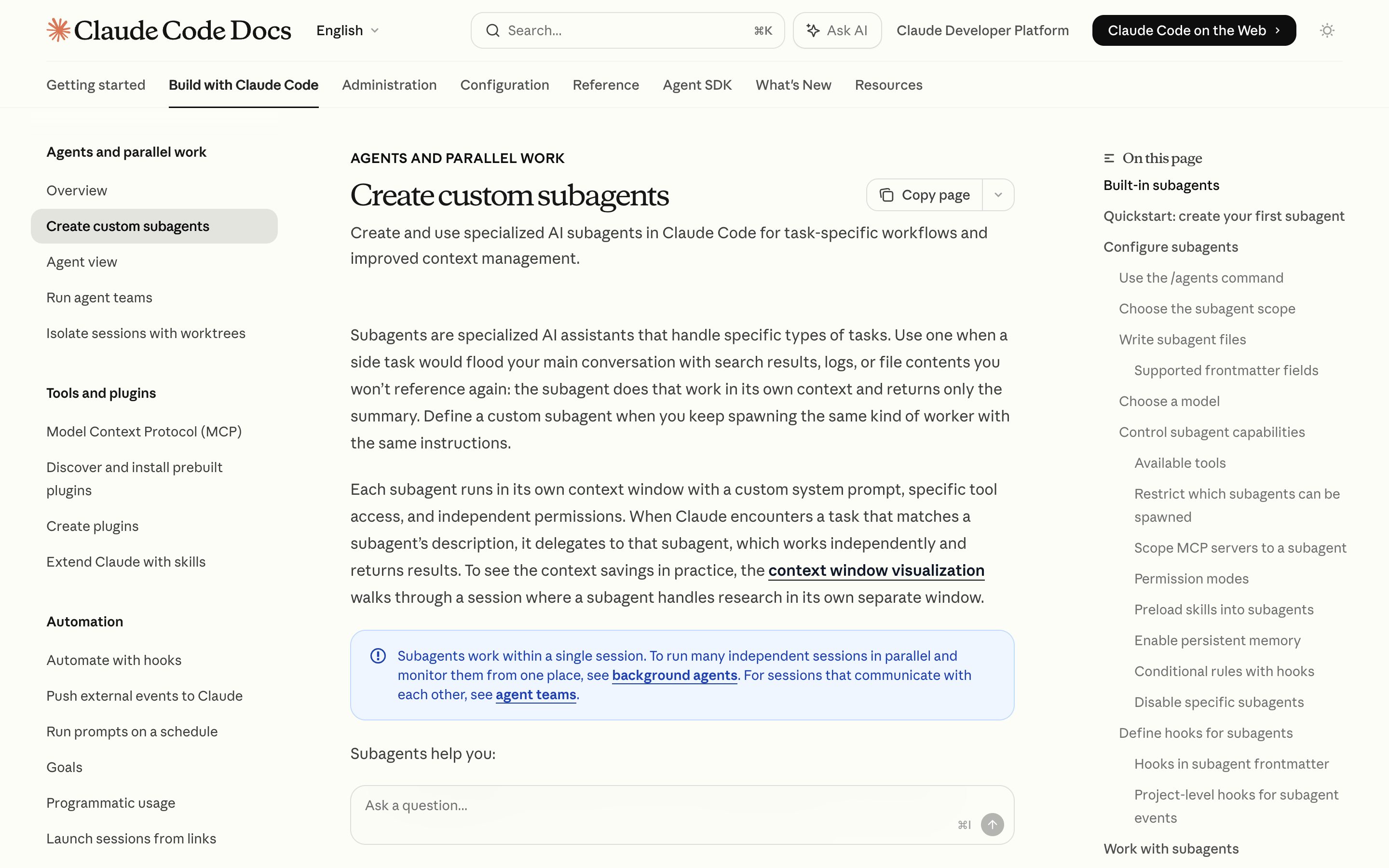
Agent Workflow
Supervisor-Worker
Decompose, Delegate, Supervise
Instead of one AI producing a monolithic response, a Supervisor Agent decomposes the task and delegates to specialized workers. Review, approve, or revise each piece independently.
Metaphor
Project Manager
Interaction
Orchestration, Approval
Use case
Complex Tasks, Multi-Step Workflows, Agent Orchestration
Failure mode
Hidden State
Control mechanisms
Worker Cards · Status Badges · Approve/Revise · Progress Tracking
Reference examples
Claude Code Subagents · CrewAI Hierarchical · Microsoft Agent Framework · Manus Agent Mode
Interactive Example
The live side-by-side is the comparison.
This prototype already contains the contrast between chat and the pattern response. It stands as the primary comparison surface for this page.
One answer hides its seams. A team shows its work.
A monolithic response bundles planning, execution, and review into one opaque turn. When you spot a flaw, your only move is to regenerate the whole thing and hope the good parts survive — the decomposition that produced the output is invisible, so your feedback can't be aimed.
The supervisor splits the task across specialist workers, each with its own visible assignment, status, and rationale. That makes review granular instead of all-or-nothing: approve one piece, redirect another, revise a third, without disturbing the rest. Control follows the structure of the work, which is what lets correction stay cheap.
You can only steer what you can see decomposed; a single seamless output gives feedback nowhere to land.
DOPE Lens
How this pattern improves AI interaction quality.
Observability
Each agent's task, status, and output are independently visible
Directability
Approve, revise, or redirect any agent without affecting others
Predictability
Defined agent roles produce specialized, consistent outputs
Explainability
Each worker agent's task assignment and decision rationale are independently visible
Fit
Where it earns its place.
Use it
when
when
Work decomposes into steps that benefit from specialized agents and a coordinating layer.
Avoid
when
when
A single agent or human can handle the work directly.
In the wild
Where this pattern already ships.
Real implementations from products users already know. Each entry shows how the pattern got applied — what shipped, where it sits in the product, what it traded off.
Claude Code Subagents
Anthropic
Specialists get their own context, tool allowlist and permission mode. A panel under the prompt lists each running worker, `/tasks` opens one worker's transcript to message or stop it, and a background worker's permission prompt names which subagent is asking. Per-worker control, in a terminal rather than a consumer UI.
Visit Anthropic ↗
CrewAI Hierarchical
CrewAI
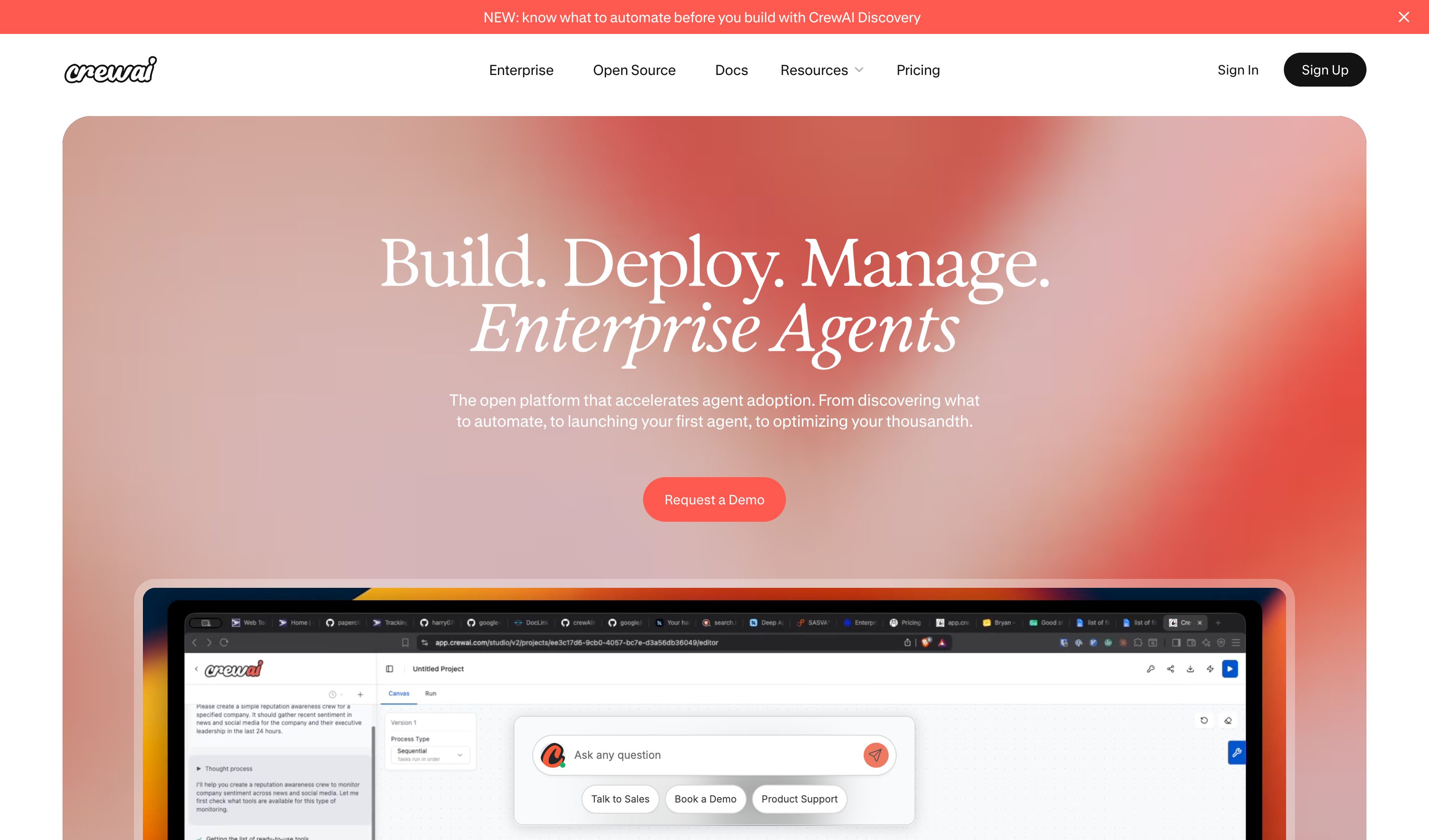
Hierarchical process with auto-created manager agent that delegates to role-defined workers. Explicit supervisor-worker process at the framework level.
Visit CrewAI ↗
Microsoft Agent Framework
Microsoft
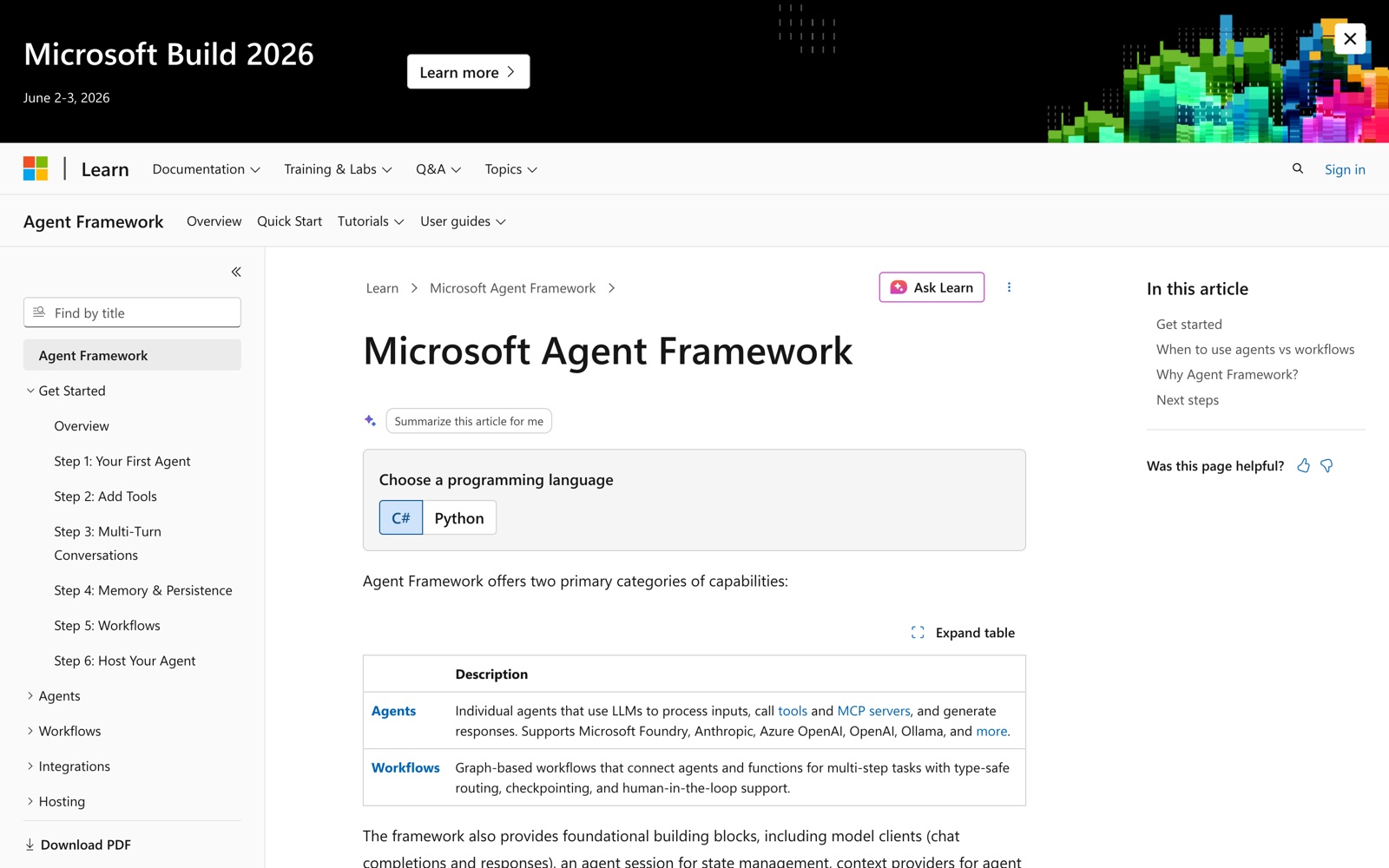
AutoGen and Semantic Kernel merged into one SDK, GA as 1.0 on 3 April 2026. Its Magentic orchestration is this pattern by name — a manager agent coordinating specialist agents — alongside handoff and group chat, on a graph workflow engine with human-in-the-loop pauses. An SDK, though: the supervision UI is yours to build.
Visit Microsoft ↗
Manus Agent Mode
Manus
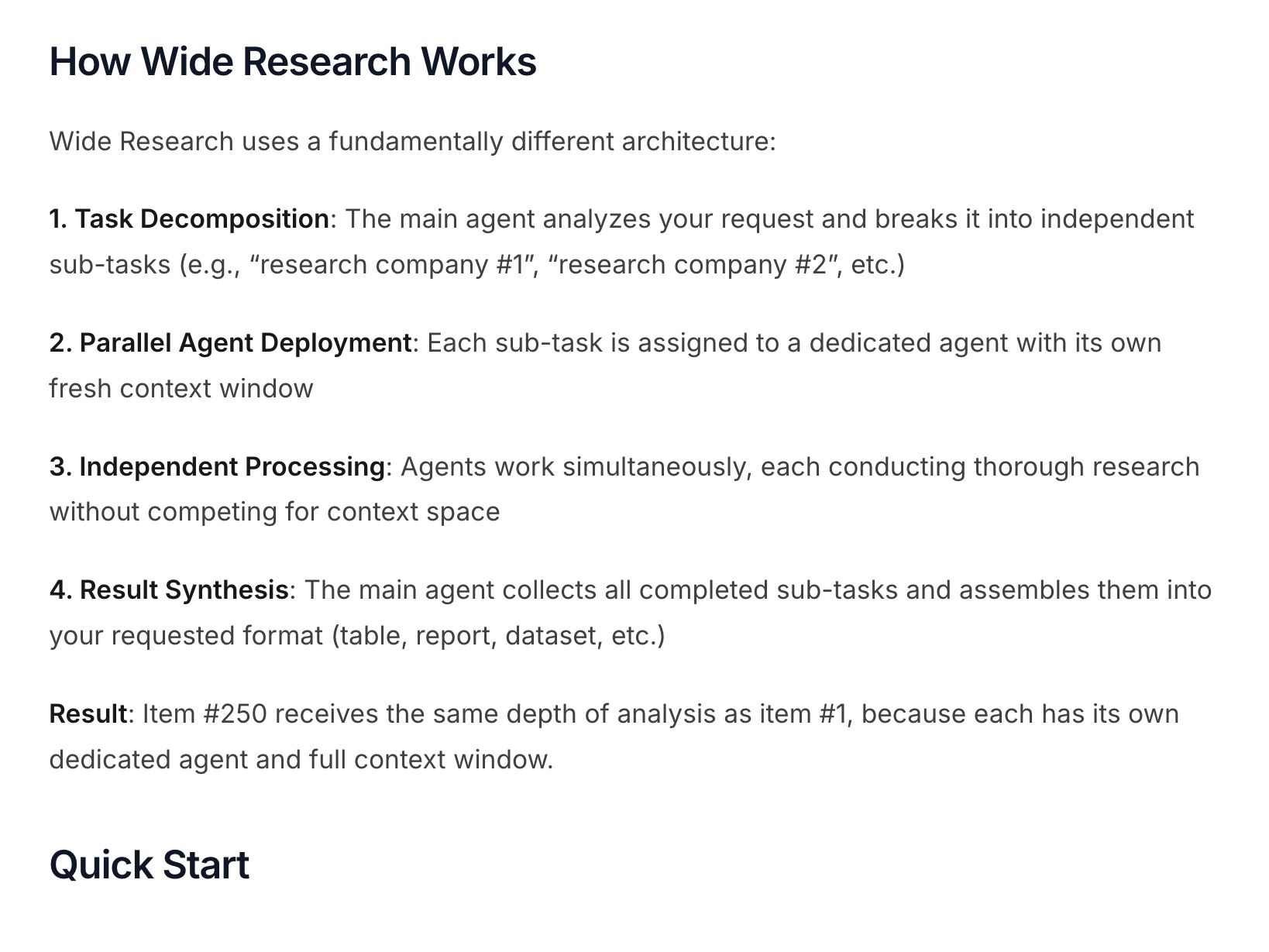
Agent mode plans and then executes in a cloud sandbox, with each step visible as it runs and the whole run shareable as a replay link. Manus's own docs name only Wide Research as multi-agent, and that is hundreds of identical parallel agents — a fan-out, not a specialist tree. Decomposition you can watch; roles you cannot inspect.
Visit Manus ↗
Research Frame
Why this pattern exists, and where it breaks.
Split work into specialist agents under a supervising layer.
One chat thread bundles planning, execution, and review into one opaque turn.
Coordination overhead can outweigh the benefit for narrow tasks.
Common questions
What people ask about this pattern.
When should I use the Supervisor-Worker pattern?
+
Work decomposes into steps that benefit from specialized agents and a coordinating layer.
When should I avoid the Supervisor-Worker pattern?
+
A single agent or human can handle the work directly.
What problem does Supervisor-Worker solve?
+
Monolithic AI outputs hide decomposition and make review too coarse.
Why is chat the wrong fit for this?
+
One chat thread bundles planning, execution, and review into one opaque turn.
Related Patterns
Curated connections, not just neighbors.
Hand-picked relationships — what this pattern pairs with in practice, what it replaces, what it builds on, and what builds on it.
Often paired with
Agentic Dashboard
Decomposed agents need a control room to monitor each independently.