A single neutral assistant cannot be the right voice for every task — research, coaching, editing, and adversarial review all want different defaults.
← Back to patterns
Google
Memory, Context & Boundary
EmergingPersona Switcher
Choose the lens, not just the voice
Different tasks want different agents. A Persona Switcher gives the user a deliberate set of named lenses — Researcher, Coach, Editor, Adversary — each with its own voice, depth, and constraints. The persona is visible at all times, and switching is one move, not a reset.
Metaphor
Wardrobe
Interaction
Persona Selection, Live Preview
Use case
Specialised Expertise, Tone Consistency, Multi-Role Workflows
Failure mode
Single Voice Default
Control mechanisms
Persona Cards · Capability Tags · Saved Custom Personas
Reference examples
ChatGPT GPTs · Claude Projects · Poe Multi-Bot · Gemini Gems · Perplexity Projects
Interactive Example
The live side-by-side is the comparison.
This prototype already contains the contrast between chat and the pattern response. It stands as the primary comparison surface for this page.
One neutral assistant. Every wrong default.
A single voice has to average across every task — research, coaching, editing, adversarial review — and the average serves none of them. Chat hides the corrective under custom instructions or a buried system prompt, so the user cannot see, swap, or compare the voice they're getting. The lens is doing the work, but it's invisible and unswitchable.
Persona Switcher makes the lens a first-class object: named, always visible, and changed in one move rather than a reset. Each persona declares its voice, depth, and what it will refuse before you commit to it, so switching mid-thread keeps the context but changes the defaults. You stop prompting your way into a voice and start selecting one.
"A voice you can name and swap is an instrument; a voice hidden in the system prompt is a guess."
DOPE Lens
How this pattern improves AI interaction quality.
Observability
Active persona is always visible alongside the response
Directability
Switch personas mid-thread without losing the context
Predictability
Each persona declares its voice, depth, and what it will refuse
Explainability
Each persona card shows the kind of move it favours and the kind it refuses
Fit
Where it earns its place.
Use it
when
when
One assistant serves several distinct task types — research, editing, coaching — that want different defaults.
Avoid
when
when
The product has one tightly-scoped task and a single voice serves it well.
In the wild
Where this pattern already ships.
The pattern is shipping but still maturing across products. Entries below show how different teams have approached it; expect variation as the space settles.
ChatGPT GPTs
OpenAI
Explore GPTs in the sidebar; the active GPT's name sits at the top of the chat. Settings → Personalization adds a Base style and tone dropdown with six named styles (Professional, Friendly, Candid, Quirky, Efficient, Cynical). Caveat — since August 2026 personal accounts can use and edit GPTs but no longer create or publish new ones; authoring is workspace-only.
Visit OpenAI ↗
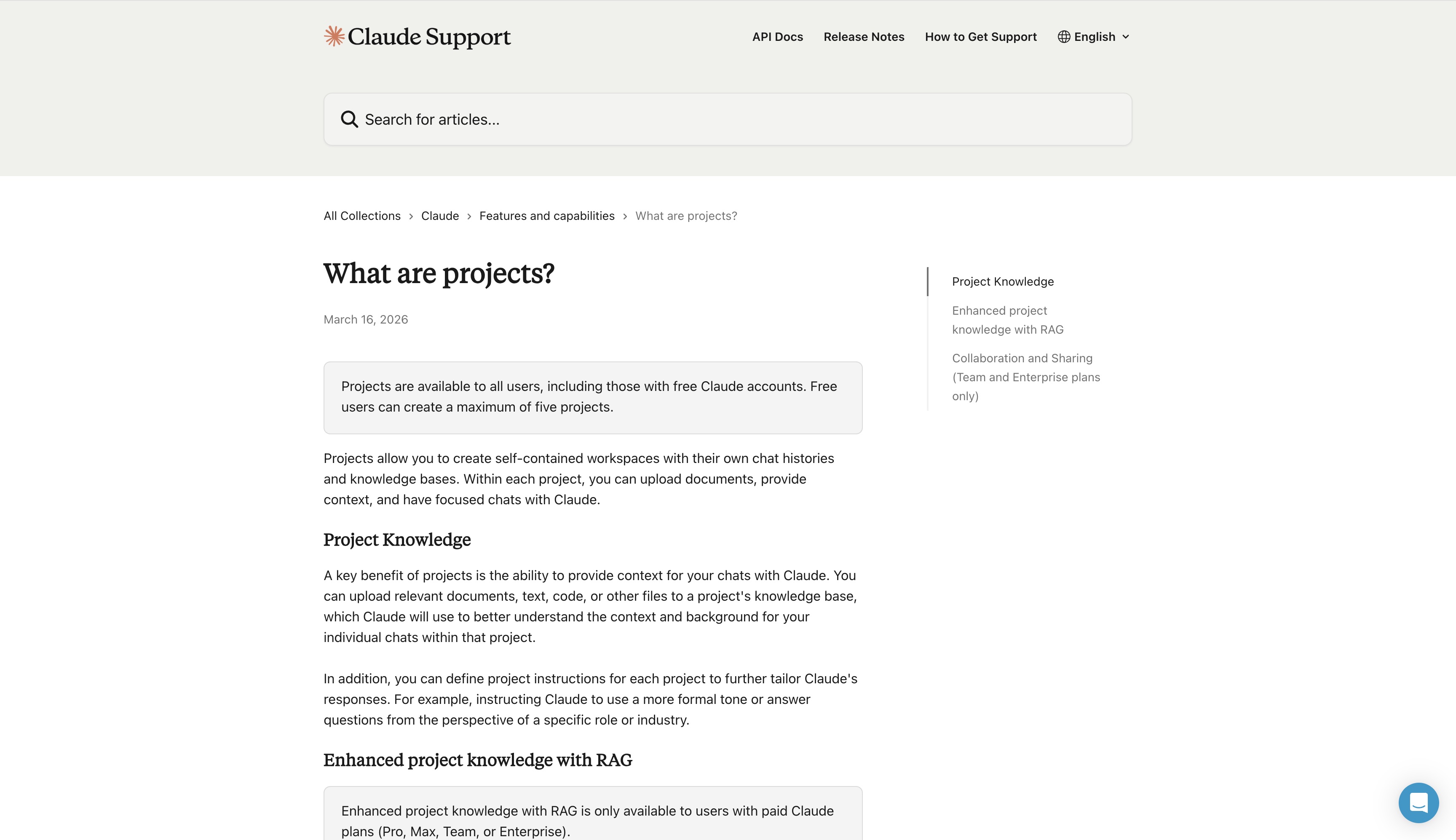
Claude Projects
Anthropic
Each Project carries its own custom instructions (persona system prompt), files, and memory. Switching projects is one click; persona is named at the top of the conversation. Free tier gets 5 projects.
Visit Anthropic ↗
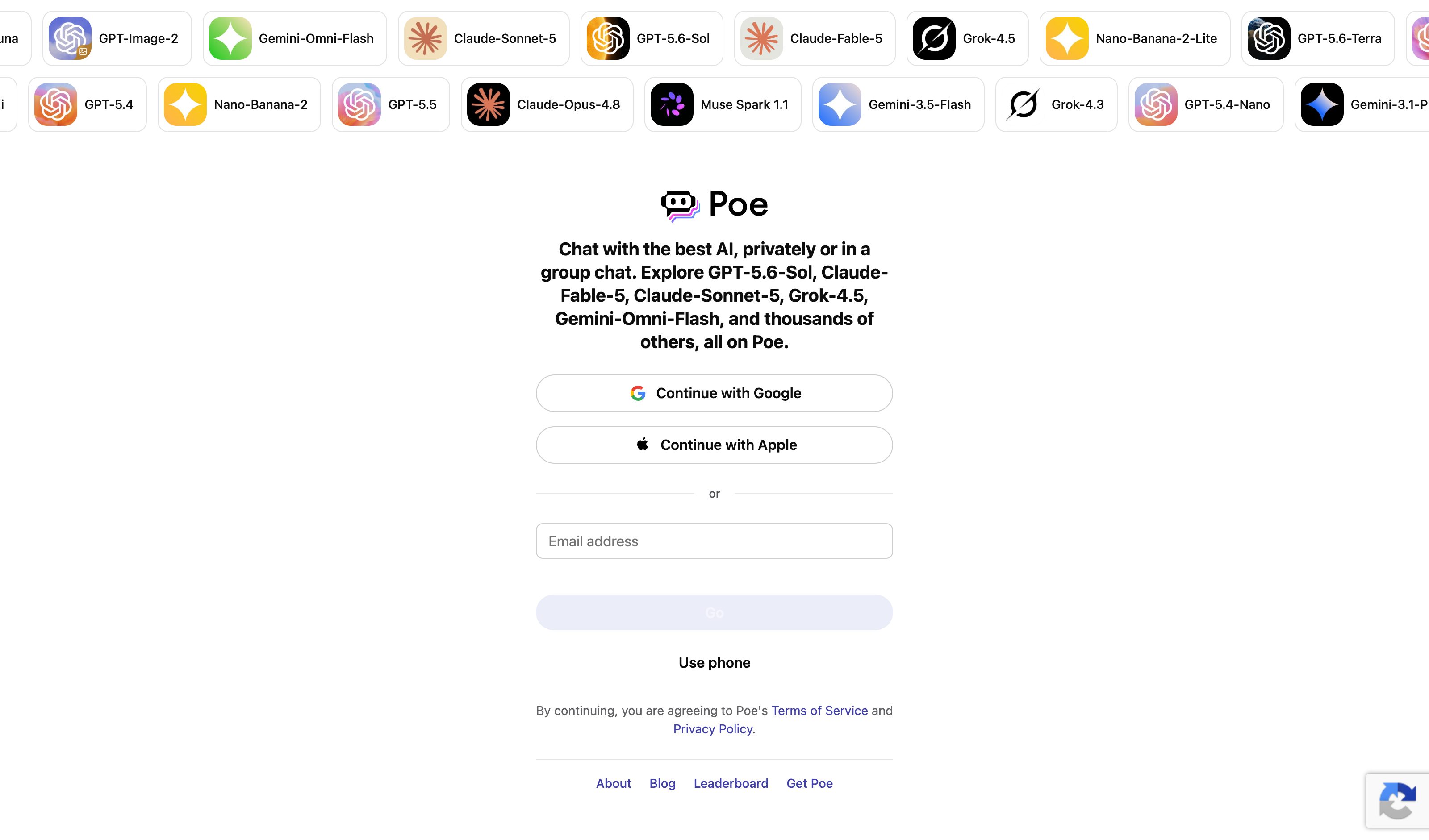
Poe Multi-Bot
Quora
Bot picker plus a configurable default bot; in a group chat several bots share one thread and you mention the one you want, with Automatic Replies set per chat. Caveat — Poe's roster is mostly models rather than declared personas, so it carries the switch-mid-thread half and not the declared-contract half.
Visit Quora ↗
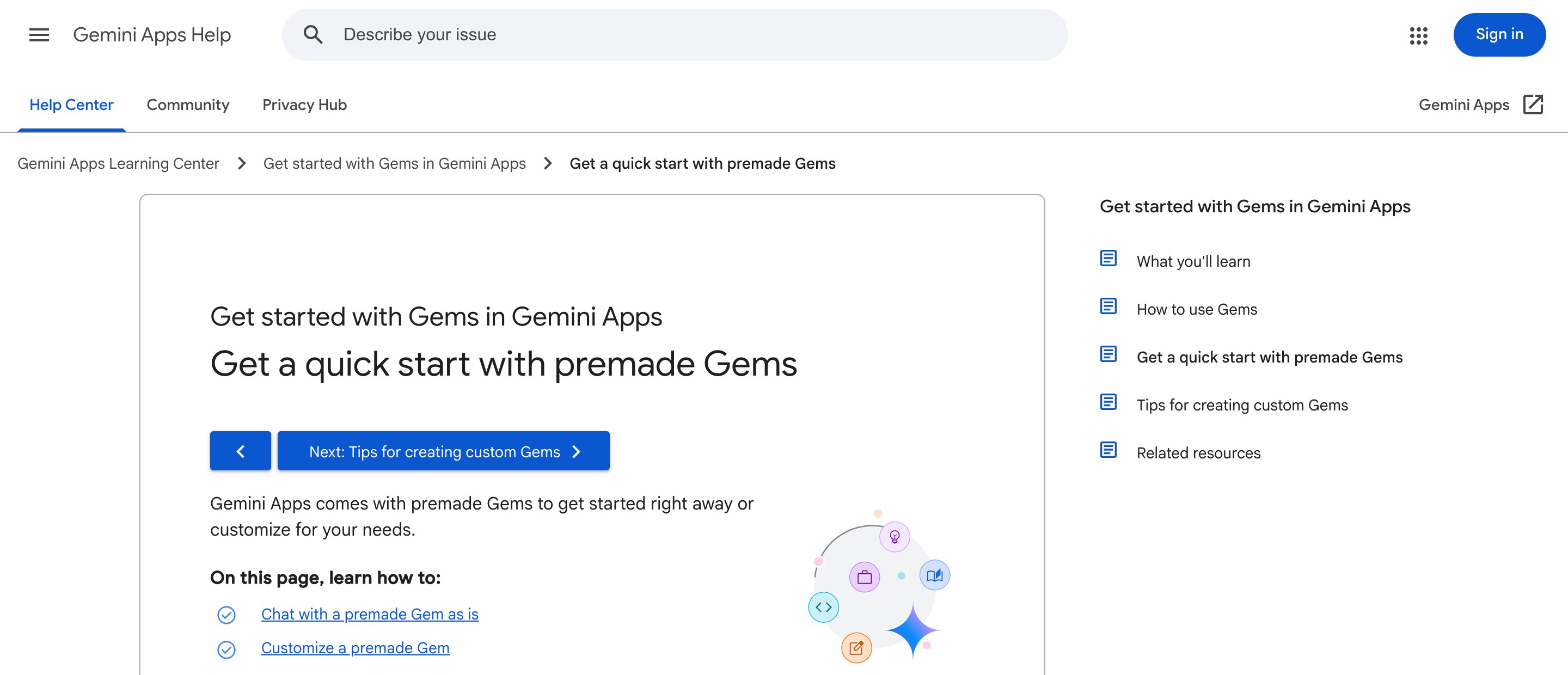
Gemini Gems
Gems sit in the left sidebar of gemini.google.com, with a "Premade by Google" shelf — Career guide, Writing editor, Brainstormer, Coding partner — each shipping preset instructions for its task and copyable as a starting point for your own. Caveat — picking a Gem opens a new chat; the lens does not carry the thread you are already in.
Visit Google ↗
Perplexity Projects
Perplexity
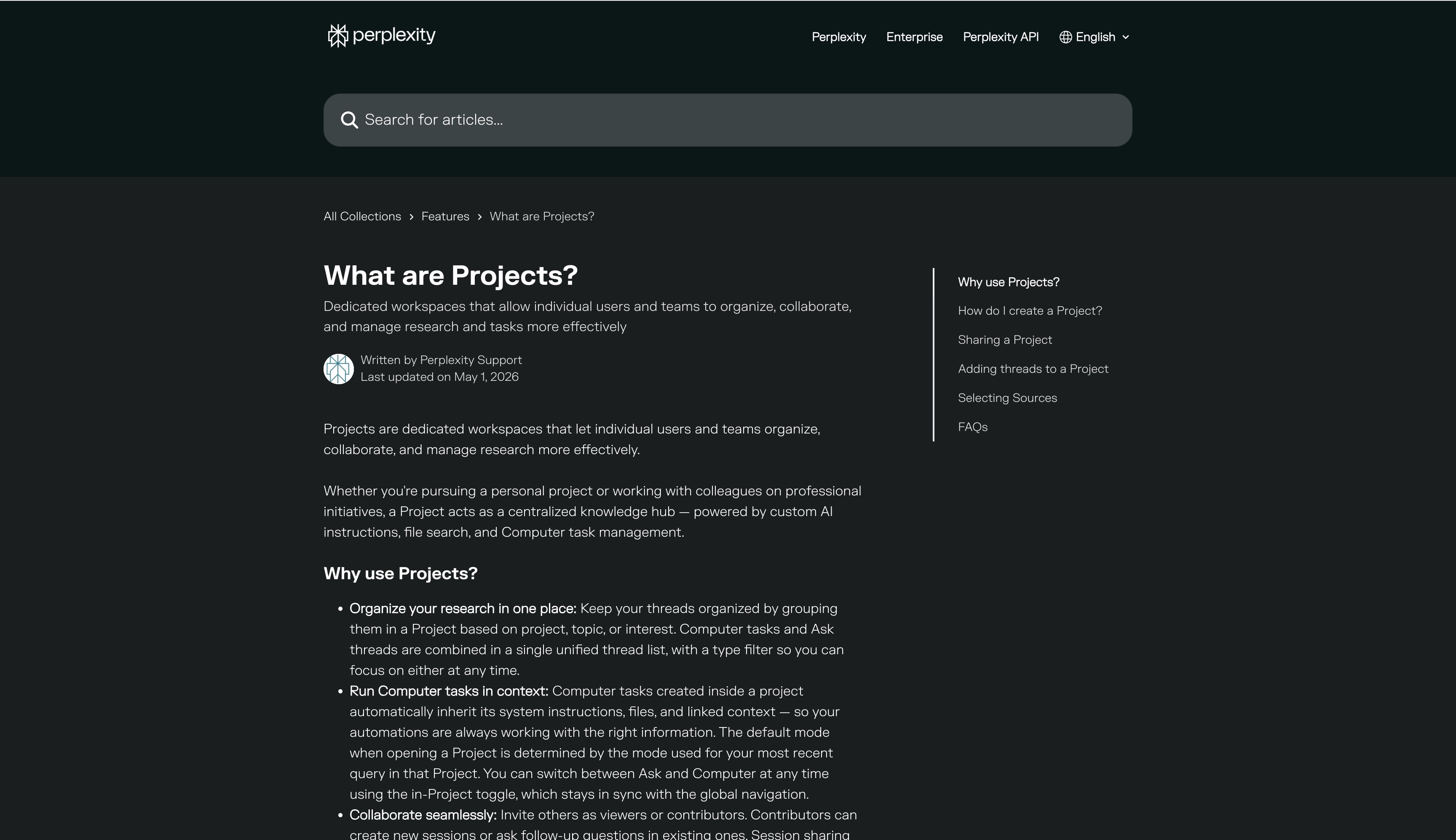
Renamed from Spaces in 2026; the old /spaces URL redirects. Each Project carries up to 8,000 characters of instructions that apply to every query inside it, alongside files, connectors and a Brain memory tab. Aggregates persona, memory and source scoping into one container.
Visit Perplexity ↗
Research Frame
Why this pattern exists, and where it breaks.
Offer named personas as visible, switchable lenses; each declares its voice, depth, and refusal behaviour.
Chat hides any persona under custom instructions or system prompts; users cannot see, swap, or compare voices.
Too many personas dilute the signal; weak signalling makes the active persona feel decorative.
Common questions
What people ask about this pattern.
When should I use the Persona Switcher pattern?
+
One assistant serves several distinct task types — research, editing, coaching — that want different defaults.
When should I avoid the Persona Switcher pattern?
+
The product has one tightly-scoped task and a single voice serves it well.
What problem does Persona Switcher solve?
+
A single neutral assistant cannot be the right voice for every task — research, coaching, editing, and adversarial review all want different defaults.
Why is chat the wrong fit for this?
+
Chat hides any persona under custom instructions or system prompts; users cannot see, swap, or compare voices.
Related Patterns
Curated connections, not just neighbors.
Hand-picked relationships — what this pattern pairs with in practice, what it replaces, what it builds on, and what builds on it.
Often paired with
Tone of Voice
Pick the persona for its lens and refusals, then fine-tune how it sounds on the Tone of Voice pad.
Often paired with
Constraint Rules Engine
Persona Switcher declares refusals per lens; the Constraint Rules Engine enforces rules that hold under every persona.
Extends
Saved Styles
Persona Switcher takes the Saved Styles preset and adds a lens, its own depth, and the moves each persona refuses.