A single model's confident answer has no external check — users either trust it blindly or do the verification legwork themselves across tabs.
← Back to patterns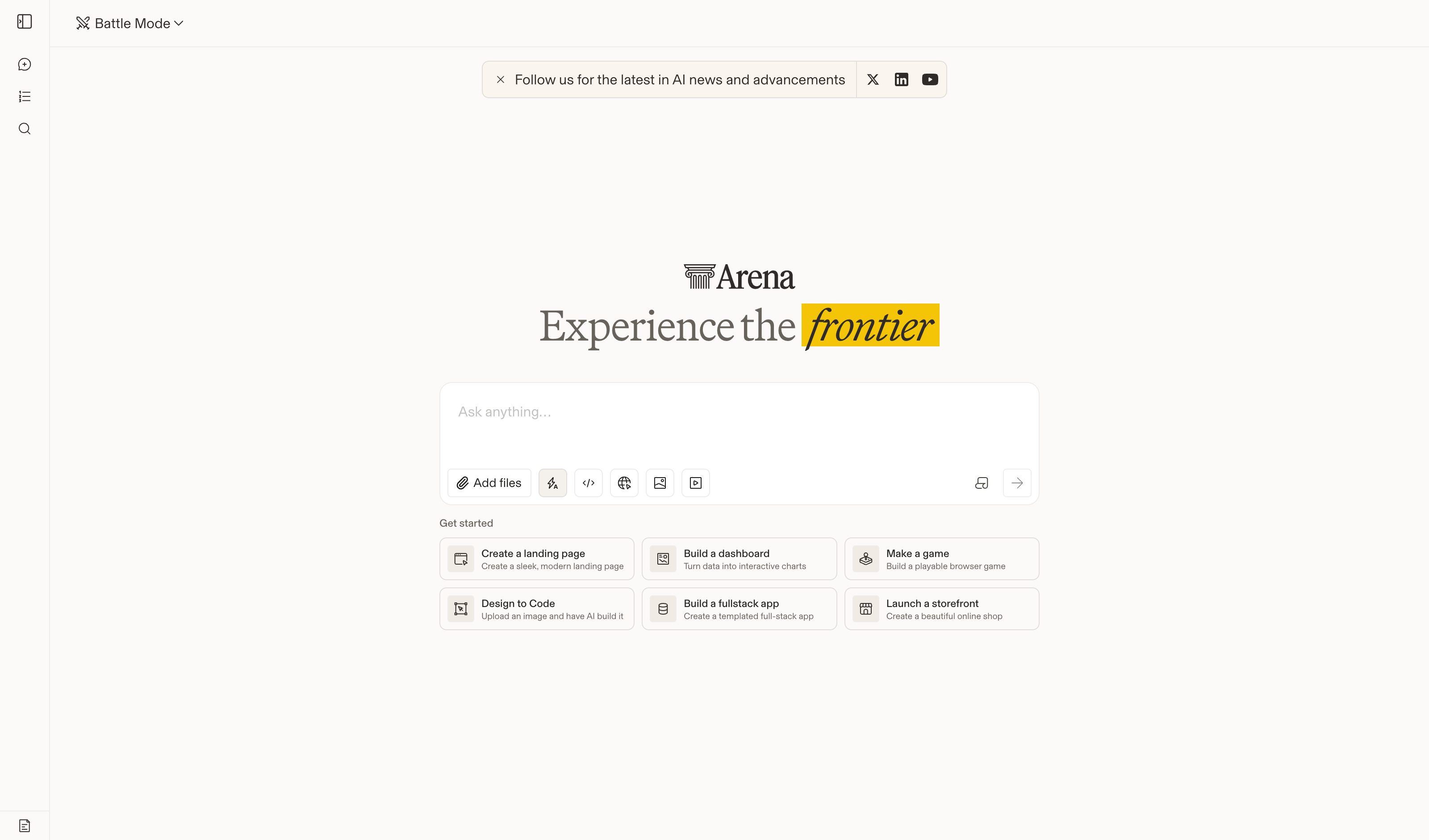
Trust & Verification
EmergingSecond Opinion
Route the same question to a different model before you trust the first
A single model's confident answer has no external check — users either trust it blindly or do the verification legwork themselves across browser tabs. Second Opinion makes the check one action: the same question routes to a second, independent model, and the answers render claim-by-claim — corroborated claims aligned, divergences flagged. Consensus becomes a signal, disagreement a warning, and the trust decision gets evidence instead of vibes.
Metaphor
Consult
Interaction
One-Tap Second Model, Claim-Level Agreement View, Divergence Flags
Use case
Factual Research, High-Stakes Answers, Analysis Review
Failure mode
Single Source
Control mechanisms
Independent Model Routing · Aligned Claim Comparison · Consensus/Divergence Markers · Correlation Disclosure
Reference examples
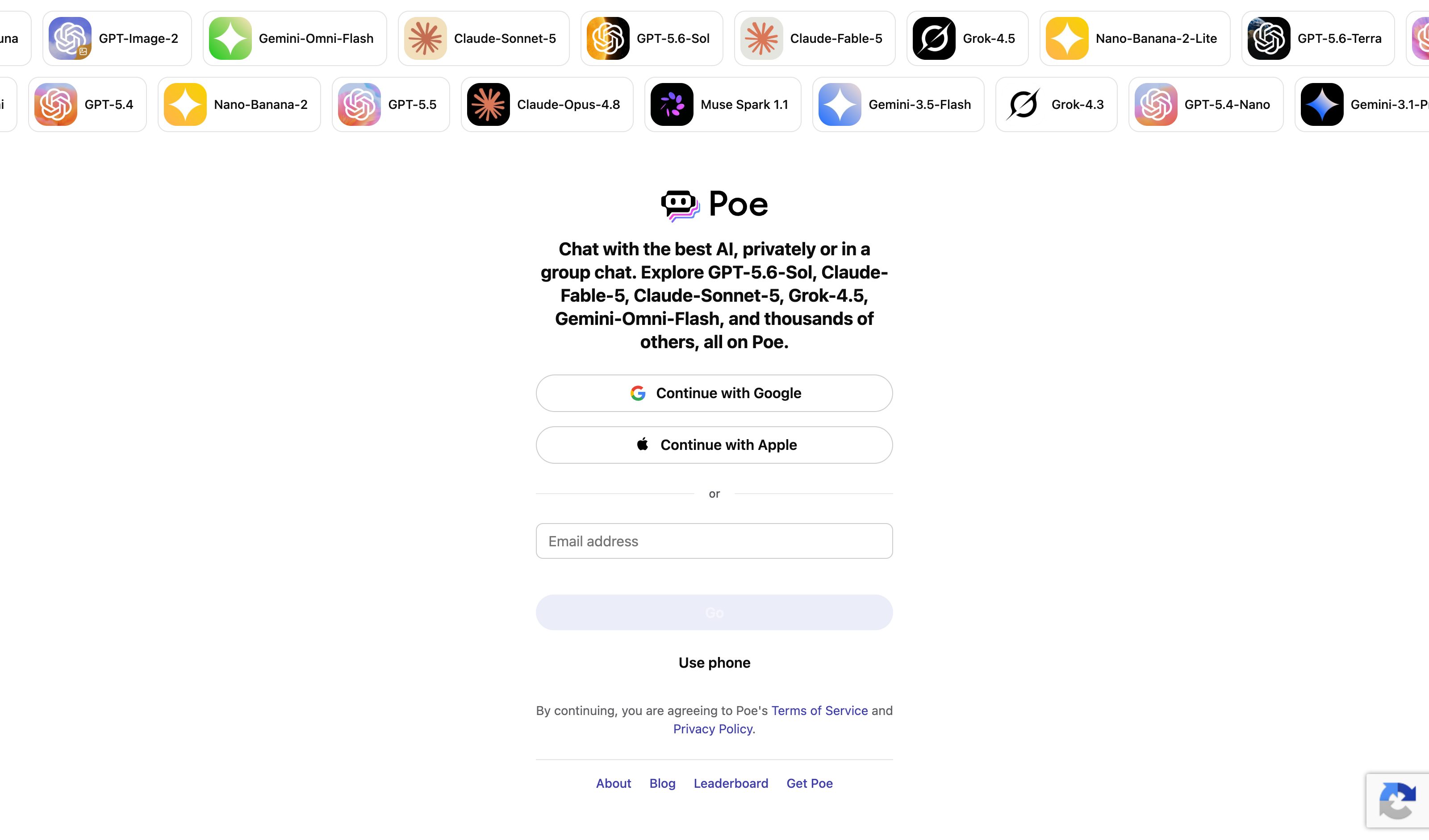
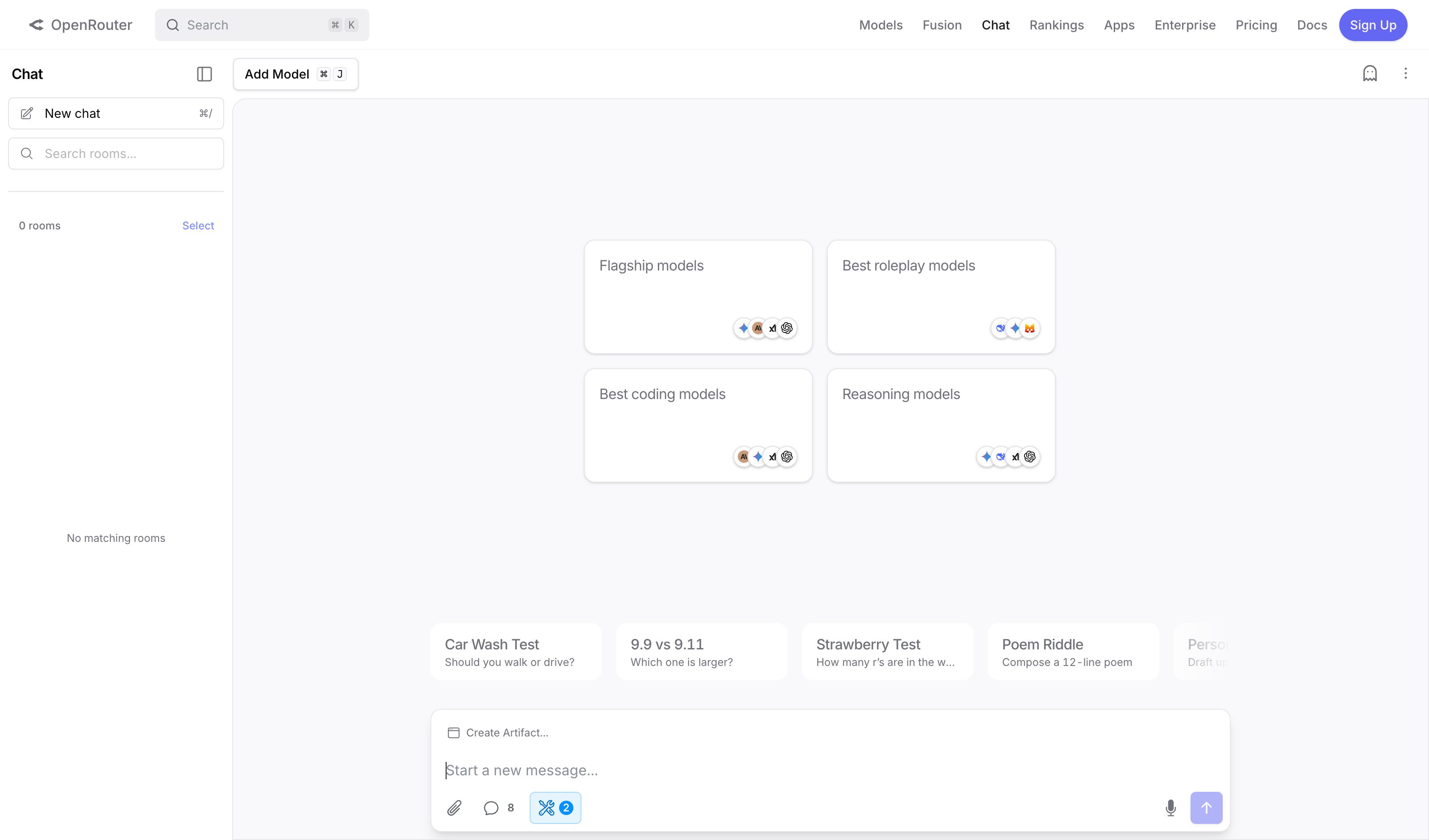
LMArena side-by-side · Poe multi-bot compare · OpenRouter multi-model chat
Interactive Example
The live side-by-side is the comparison.
This prototype already contains the contrast between chat and the pattern response. It stands as the primary comparison surface for this page.
Ask twice and you get two answers. Align them and you get one flag.
Checking a second time means opening a second tab and re-typing all of it — the lisinopril, the diuretic, the ibuprofen for a headache — then reading a second wall of text with nothing lining it up against the first. Somewhere in those two paragraphs the models disagree about exactly one sentence, and finding it is entirely the reader's job. Most people skip it.
The consult runs on the same context: one tap, a second model, and the two answers line up claim by claim. The first answer's four claims come back three corroborated, one diverged, one addition it never made: the flag lands on the short-course-is-fine sentence, the addition is the ankle-swelling warning. Agreement stops being a mood and becomes a count.
The caveat under the verdict is what makes it usable: both models trained on overlapping public data, so agreement is evidence, not proof. Swap Atlas-4 for Meridian-2 and the verdict map does not move — the phrasing changes, the disagreement doesn't. A consult is only worth the independence you can actually claim for it.
Two witnesses who read the same book are one witness with better phrasing.
DOPE Lens
How this pattern improves AI interaction quality.
Observability
Agreement and divergence are visible per claim, not per answer — the exact sentence the models dispute is flagged
Directability
One tap requests the consult — no copy-pasting between tabs, no re-typing the context
Predictability
The comparison always renders the same way — matched claims aligned, disputes marked — so reading it becomes a habit, not an effort
Explainability
The verdict states its basis ("4 of 5 claims corroborated") and discloses model correlation, so agreement is weighted honestly
Fit
Where it earns its place.
Use it
when
when
The answer matters enough that one model's word should not be the only evidence.
Avoid
when
when
Low-stakes or subjective asks where a second answer just doubles the reading.
In the wild
Where this pattern already ships.
The pattern is shipping but still maturing across products. Entries below show how different teams have approached it; expect variation as the space settles.
LMArena · Side-by-side
LMArena
Two models answer the same prompt side by side — the comparison surface exists, framed as model evaluation rather than answer verification.
Visit LMArena ↗
Poe · Multi-bot compare
Quora
One question fanned out to multiple models in one interface — removes the copy-paste tax, but leaves the claim-level agreement analysis to the reader.
Visit Quora ↗
OpenRouter · Multi-model chat
OpenRouter
Parallel answers from selectable models in one chat room — the routing half of the pattern, without corroboration markers.
Visit OpenRouter ↗
Research Frame
Why this pattern exists, and where it breaks.
One action routes the same question to a second, independent model and renders agreement claim-by-claim — consensus as signal, divergence as warning.
Chat binds you to one interlocutor; a second opinion means copy-pasting context into another tab and eyeballing the diff yourself.
Two models sharing training data or a provider fail the independence the pattern implies — disclose the correlation, or agreement gets overweighted.
Common questions
What people ask about this pattern.
When should I use the Second Opinion pattern?
+
The answer matters enough that one model's word should not be the only evidence.
When should I avoid the Second Opinion pattern?
+
Low-stakes or subjective asks where a second answer just doubles the reading.
What problem does Second Opinion solve?
+
A single model's confident answer has no external check — users either trust it blindly or do the verification legwork themselves across tabs.
Why is chat the wrong fit for this?
+
Chat binds you to one interlocutor; a second opinion means copy-pasting context into another tab and eyeballing the diff yourself.
Related Patterns
Curated connections, not just neighbors.
Hand-picked relationships — what this pattern pairs with in practice, what it replaces, what it builds on, and what builds on it.
Often paired with
Citation Trail
Citation Trail shows which sources back each claim; Second Opinion checks the same claims against a second model.
Often paired with
Counterfactual Probe
Second Opinion varies the model; Counterfactual Probe varies the inputs and marks where the verdict flips.
Alternative to
Critic Gate
Second Opinion compares two full answers; Critic Gate has the second model return located defects that block the accept.