The AI says "I can't help with that" and nothing else — the user retries blindly, learns superstitions about phrasing, and abandons legitimate requests.
← Back to patterns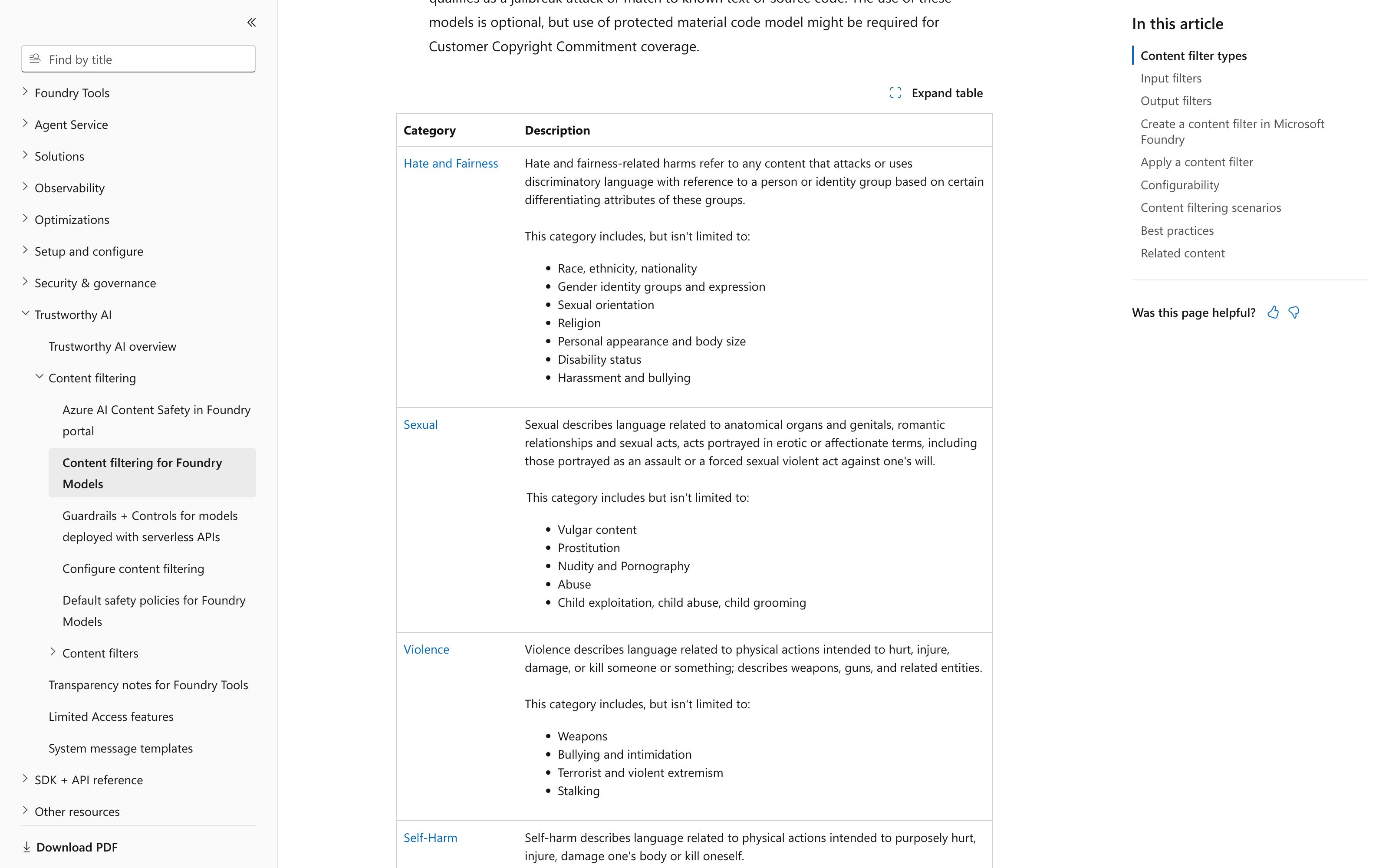
Google
Trust & Verification
EmergingRefusal Receipt
When the AI says no, it shows its work
The AI says "I can't help with that" and nothing else — so users retry blindly, learn superstitions about phrasing, and abandon legitimate requests. Refusal Receipt attaches structure to every no: which policy fired, which span of the request triggered it, how severe the call was, what a permitted variant looks like, and where to appeal. The refusal stops being a wall and becomes a signpost.
Metaphor
Receipt
Interaction
Refusal Card, Policy Chip, Appeal Path
Use case
Content Policies, Enterprise Guardrails, API Moderation
Failure mode
The Blanket No
Control mechanisms
Triggered-Policy Label · Severity Indicator · Highlighted Span · Allowed-Alternative Suggestion · Review Request
Reference examples
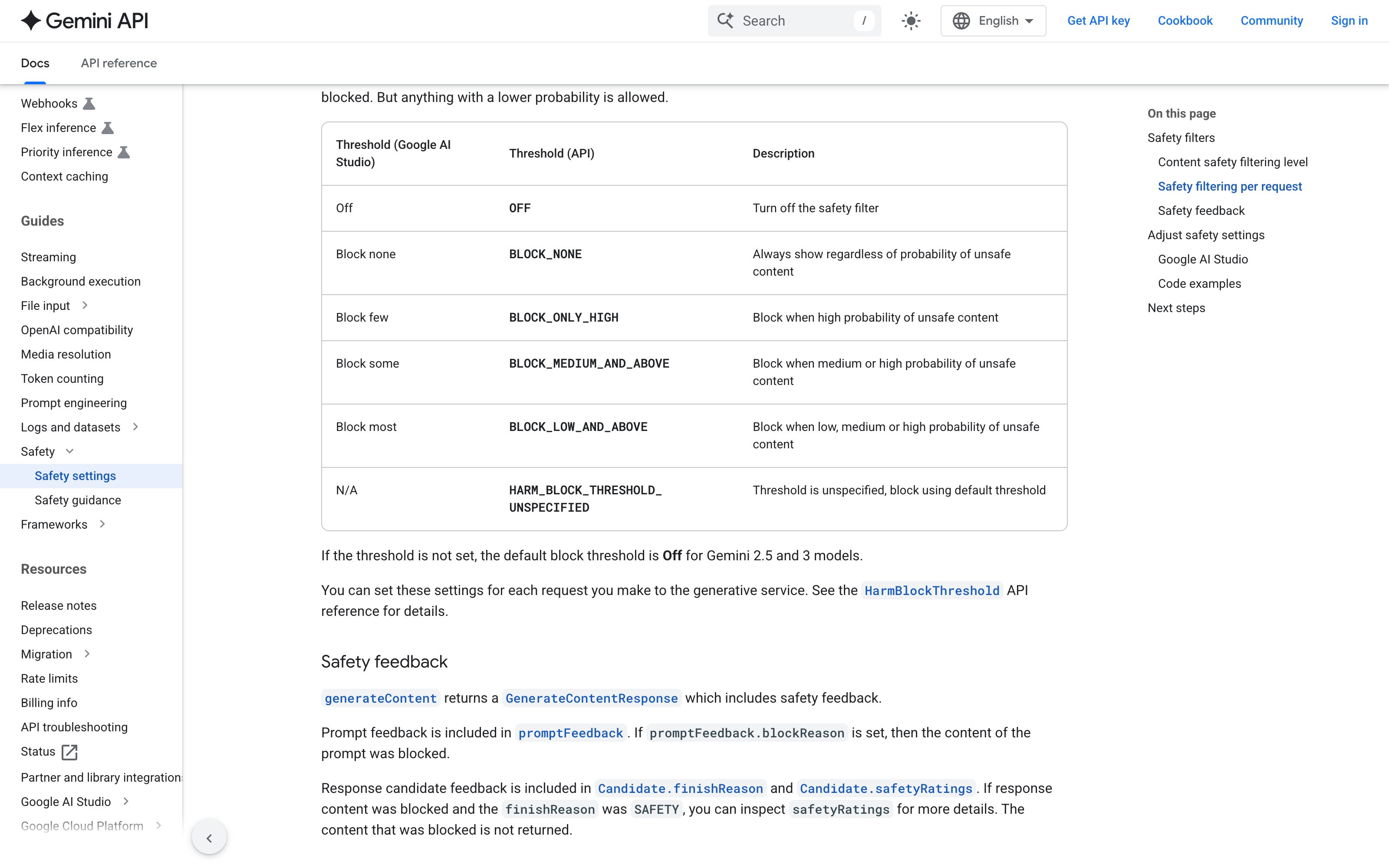
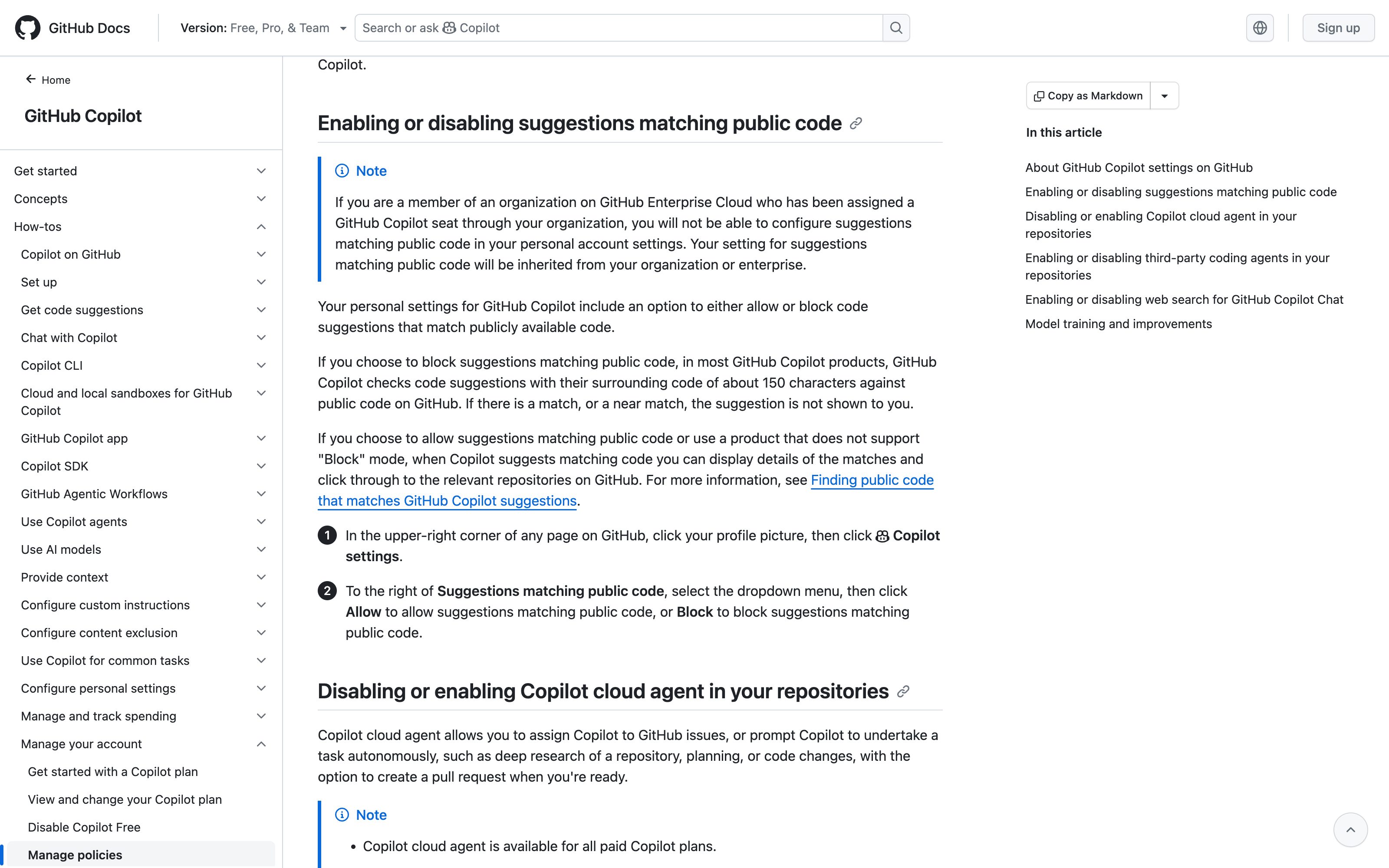
Azure OpenAI content filter annotations · Gemini API safety ratings · GitHub Copilot public-code filter notice
Interactive Example
The live side-by-side is the comparison.
This prototype already contains the contrast between chat and the pattern response. It stands as the primary comparison surface for this page.
The refusal is not the problem. The silence around it is.
Chat answers a refused request with I can't help with that, and answers the follow-up with a politer version of the same sentence. Four phrasings later: two refusals, two answers, and the original request going through untouched. What the user takes away is a private word blacklist — avoid the word phishing — a rule they invented and the system never stated.
The gate echoes the request back with the triggering span underlined, names the policy that fired — Deceptive content · Templates — reads severity on a three-step meter, and offers a permitted variant one click away. Taking it replaces the span and nothing else: send-ready template becomes annotated red flags, same topic, same email. The user edits the trigger, not their vocabulary.
The deeper move is that the same gate speaks on the yes: the pentest summary comes back allowed with notice, severity low, exploit reproduction steps dropped from the output. A boundary you only meet by hitting it stays a rumour. And where no permitted variant exists — bypass instructions, refused at every threshold — the appeal path is what keeps a false positive from being a dead end.
Every refusal teaches something — an unexplained one teaches the wrong rule, and the user keeps it for good.
DOPE Lens
How this pattern improves AI interaction quality.
Observability
Which policy fired, at what severity, is printed on the refusal instead of hidden in the model
Directability
The receipt names the triggering span, so the user edits that instead of guessing at rephrasings
Predictability
Named policies behave like rules — the same category triggers the same way across requests
Explainability
The refusal explains itself: policy, span, severity, and a permitted alternative instead of a blanket no
Fit
Where it earns its place.
Use it
when
when
Users hit guardrails on legitimate work and need to understand what triggered the refusal and how to proceed.
Avoid
when
when
Trivial or obviously out-of-scope refusals — a ceremonial receipt on every "no" erodes the signal for the refusals that matter.
In the wild
Where this pattern already ships.
The pattern is shipping but still maturing across products. Entries below show how different teams have approached it; expect variation as the space settles.
Azure OpenAI · Content filter annotations
Microsoft
Filtered responses return the triggered category (hate, sexual, violence, self-harm) and severity level per request — a machine-readable refusal receipt at the API layer, waiting for product UIs to surface it.
Visit Microsoft ↗
Gemini API · Safety ratings
Every response carries per-category safety ratings and a block reason when filtered; thresholds are user-adjustable per category — policy visibility plus a steering surface.
Visit Google ↗
GitHub Copilot · Public code filter notice
GitHub
When the duplication filter suppresses a completion, Copilot says the match filter fired rather than silently returning nothing — a minimal but real named-policy refusal.
Visit GitHub ↗
Research Frame
Why this pattern exists, and where it breaks.
Attach a receipt to every refusal: the policy that fired, the span that triggered it, the severity of the call, a permitted alternative, and an appeal path.
Chat delivers a refusal as just another message bubble — no structure, no trigger, no way forward — so the reason stays exactly as invisible as the model leaves it.
A receipt that is too specific becomes a jailbreak manual — name the policy and category, not the exact decision boundary.
Common questions
What people ask about this pattern.
When should I use the Refusal Receipt pattern?
+
Users hit guardrails on legitimate work and need to understand what triggered the refusal and how to proceed.
When should I avoid the Refusal Receipt pattern?
+
Trivial or obviously out-of-scope refusals — a ceremonial receipt on every "no" erodes the signal for the refusals that matter.
What problem does Refusal Receipt solve?
+
The AI says "I can't help with that" and nothing else — the user retries blindly, learns superstitions about phrasing, and abandons legitimate requests.
Why is chat the wrong fit for this?
+
Chat delivers a refusal as just another message bubble — no structure, no trigger, no way forward — so the reason stays exactly as invisible as the model leaves it.
Related Patterns
Curated connections, not just neighbors.
Hand-picked relationships — what this pattern pairs with in practice, what it replaces, what it builds on, and what builds on it.
Often paired with
Capability Boundary
Capability Boundary declares what the system cannot do up front; Refusal Receipt explains the no at the moment it happens.
Often paired with
Reasoning Trace
Reasoning Trace lays out the claims and assumptions behind an answer; Refusal Receipt names the policy and span behind a no.
Often paired with
Constraint Rules Engine
Refusal Receipt explains a no under platform policy; Constraint Rules Engine checks each agent action against rules you wrote.